
Everybody Get Together Gives The Y-Verse Its Clearest Sense of Purpose


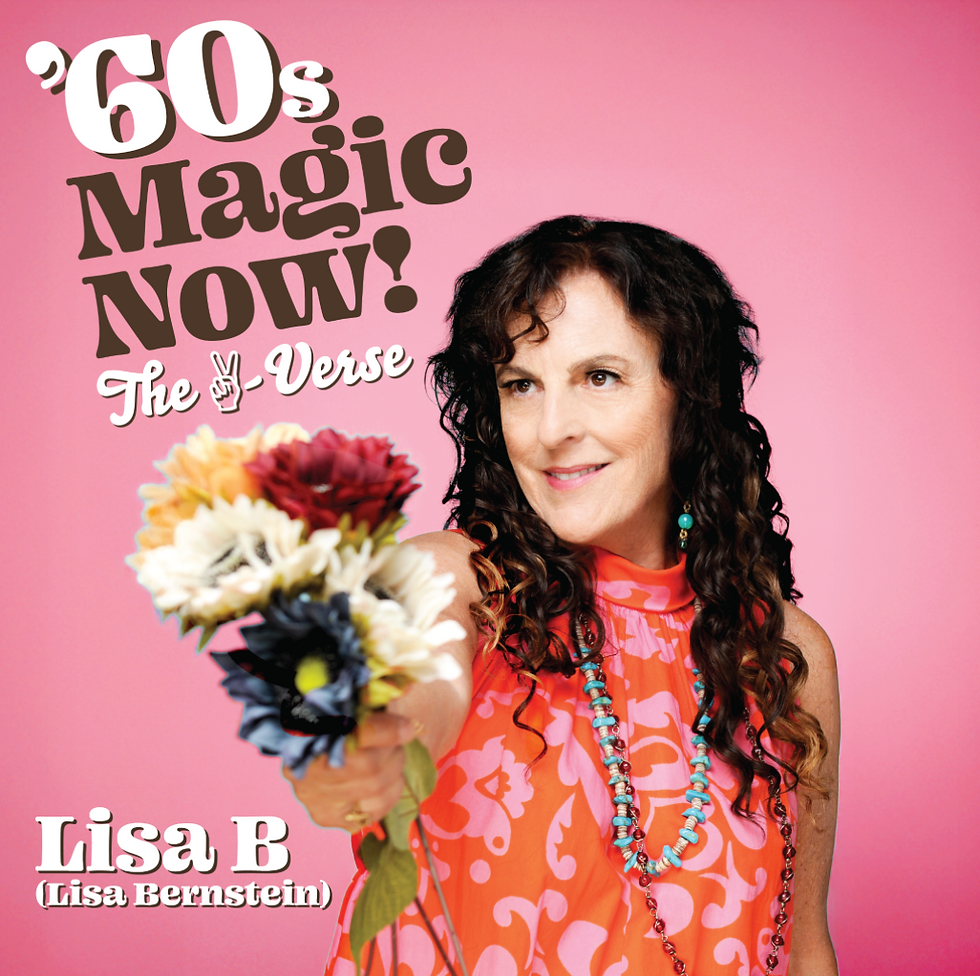
There is an inherent risk in returning to songs associated with the idealism of the 1960s. Played too reverently, they can become museum pieces. Played too cynically, their original aspirations disappear. Lisa B spends ’60s Magic Now!: The Y-Verse looking for another route.
With the physical edition of the album arriving alongside its digital availability, Lisa has chosen “Everybody Get Together” as its latest focus track, accompanied by a new lyric video. The song is a useful doorway into the album because its subject, collective connection, runs directly through the larger project.
Lisa begins from an understanding of the song that is specifically communal. In her reading, the 1960s language of loving one another was intertwined with participation and social change. A jazzy bolero opening eventually gives way to a montuno salsa section, turning contemplation into something increasingly physical and shared.
The arrangement is strengthened by Dr. J.E. Rose, principal concertmaster of the Slovak Philharmonic, whose violin appears in the intro, outro and solo. Lisa’s vocal shifts along with the track, from conversational jazz phrasing toward greater rhythmic and emotional urgency while keeping the lyric in the foreground.
The rest of The Y-Verse operates through similarly purposeful transformations. Bob Dylan’s “The Times They Are A-Changin’” sits alongside “Ruby Tuesday,” “Spooky,” “Windy” and “Dear Mr. Fantasy.” Lisa also contributes the original “’60s Magic Now!,” making the record a dialogue between inherited material and her own response to it.
The most interesting transformations often begin with questions about perspective. “Spooky” pays greater attention to the mysterious woman being described. “Windy” brings Oya, the Yoruba wind goddess, into its imaginative world. “Dear Mr. Fantasy” is reframed around the artist as wounded healer, with Lyrics Born embodying the title character through an original rap.
As the album enters its physical-release phase, “Everybody Get Together” captures its underlying argument with unusual clarity. The 1960s cannot be recreated, but the questions its music posed can still be picked up, rearranged and asked again. Lisa’s version makes community sound less like a slogan inherited from the past and more like unfinished work in the present.


Comments