
Ryan Page turns heartbreak into a hazy folk reflection on debut EP 'Used To Be You'
- FLEX

- May 11
- 2 min read

There is a quiet stillness running through 'Used To Be You' that feels genuinely affecting. Rather than reaching for dramatic emotional climaxes or overworked indie-folk theatrics, Glenrothes singer-songwriter Ryan Page leans into atmosphere, restraint and emotional vulnerability, creating a collection of songs that feel suspended somewhere between memory and sleep.
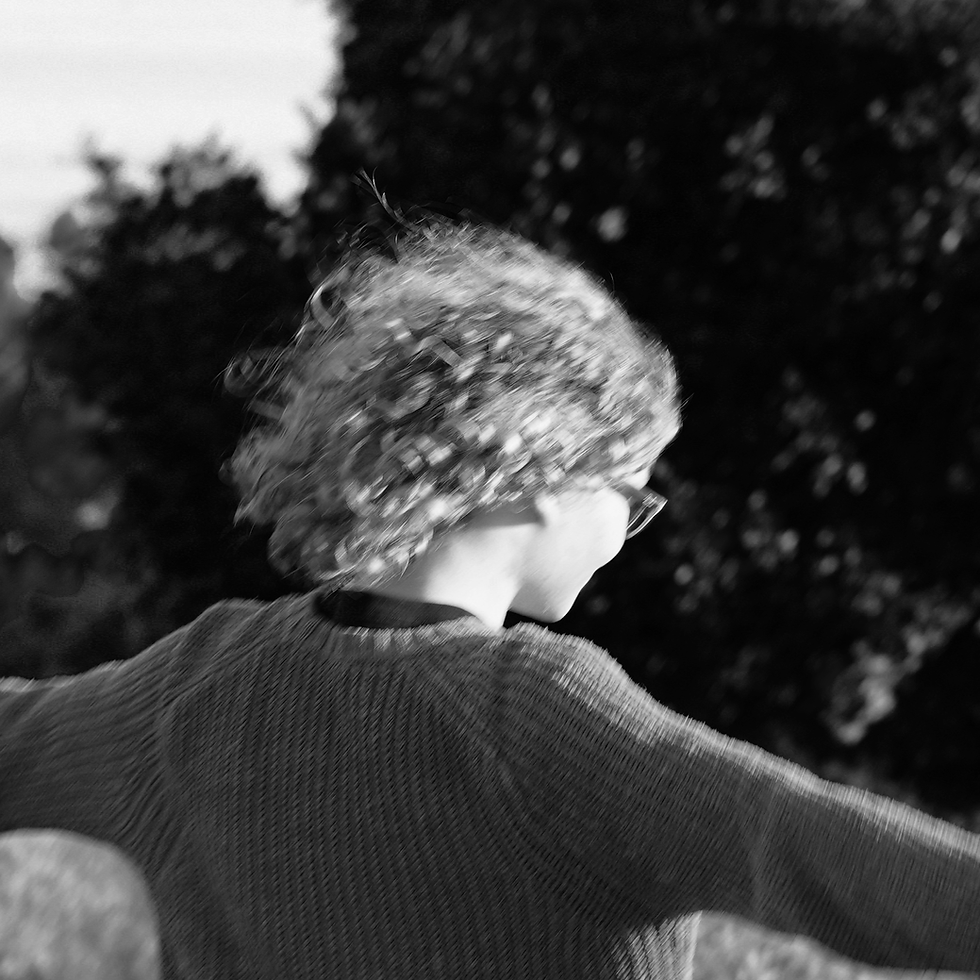
Written in the aftermath of a difficult breakup, the EP unfolds like a blurred emotional diary; fragments of reflection drifting through soft acoustic textures, ambient electronics and understated lyrical confession. Across the project, he captures the strange emotional numbness that often follows heartbreak, where sadness arrives as a lingering disorientation.
Musically, the influence of artists like Gregory Alan Isakov and The Paper Kites is certainly present, particularly in the project’s hushed delivery and spacious arrangements, but 'Used To Be You' avoids feeling overly derivative. The dreamlike production supplied by Dundee duo SIRENS gives the EP a soft-focus atmosphere that separates it from more traditional acoustic folk releases.
That production proves especially effective because it mirrors the emotional themes at the centre of the EP. These songs are about emotional aftermath; capturing the exhaustion, confusion and quiet self-examination that follows when a relationship finally collapses. The dreamlike textures become symbolic of emotional disconnection, as though the narrator is still attempting to process what has already happened.
For a debut release, 'Used To Be You' feels remarkably cohesive in mood and intention. It understands exactly what emotional space it wants to occupy and rarely breaks that atmosphere unnecessarily. The result is an EP that feels deeply suited to solitary listening; late-night walks, empty train journeys, and quiet moments when memory feels louder than conversation.
Most importantly, Ryan Page already shows a strong instinct for emotional pacing and atmosphere, qualities that cannot simply be manufactured through production alone. 'Used To Be You' may centre on heartbreak, but beneath the sadness sits the early promise of an artist learning how to turn private emotional upheaval into something quietly universal.


Comments